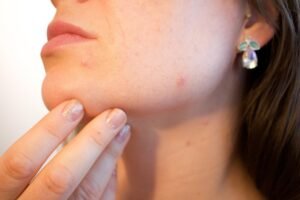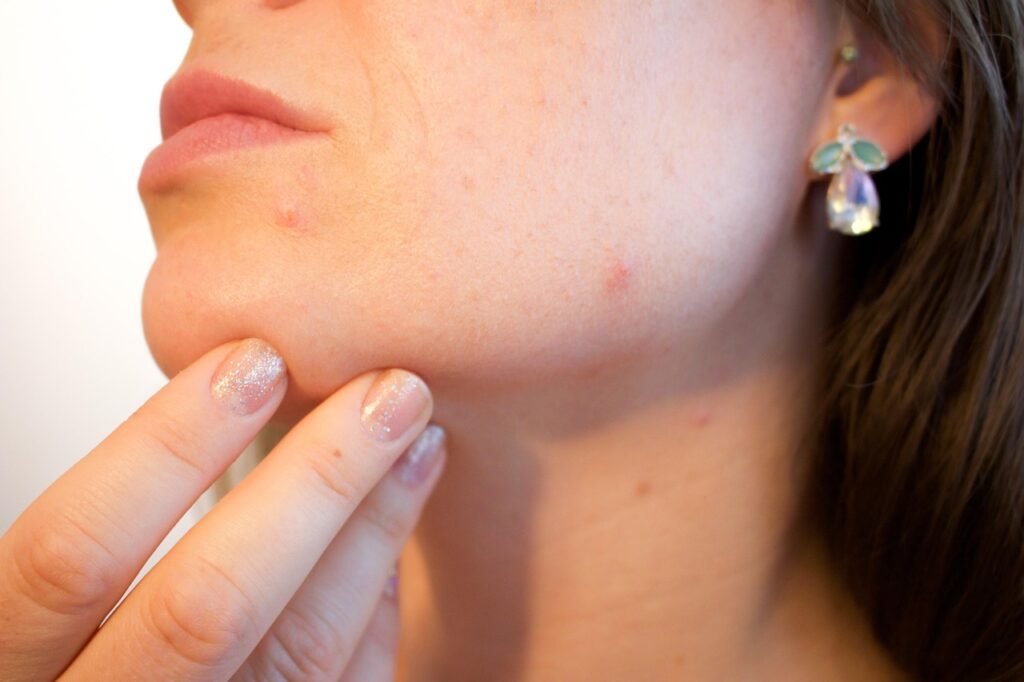
Not all acne needs the same fix. A few blackheads on the nose and a face full of painful cysts call for very different approaches — yet it’s tempting to reach for whatever product is trending, regardless of what’s actually causing your breakouts.
This guide walks through the full range of acne treatment options, from drugstore basics to in-clinic procedures, so you understand what each option actually does and where it fits.
⚡ Quick Answer: Choosing the Right Acne Treatment
Acne treatment depends on severity. Mild cases respond to over-the-counter benzoyl peroxide or salicylic acid. Moderate acne usually needs oral antibiotics or hormonal therapy plus topical treatments. Severe or scarring acne may require isotretinoin or professional procedures like laser or chemical peels. A dermatologist assesses your skin type, acne type, and goals to recommend the best approach.
On this page
- Over-the-counter acne treatment options
- Medical acne treatment options
- Professional dermatology procedures
- Acne treatment by severity
- Combination therapy
- Cost and timeline
- FAQs
🧴 Over-the-Counter Acne Treatment Options for Mild Acne
Benzoyl Peroxide
Kills bacteria directly; 2.5–10% strength. Can bleach fabric.
Salicylic Acid
Exfoliates inside pores; gentler, good for blackheads.
Retinoids
Speed cell turnover; adapalene/tretinoin are stronger Rx options.
Azelaic Acid
Anti-inflammatory; good for sensitive, rosacea-prone skin.
These ingredients don’t treat acne on their own but support other treatments by regulating oil production and calming inflammation — niacinamide and zinc are common examples.
💊 Medical Acne Treatment Options for Moderate to Severe Cases
Oral Antibiotics
Doxycycline, minocycline, and azithromycin are commonly prescribed for 3-6 months to control inflammatory acne. Long courses of antibiotics can contribute to bacterial resistance, which is why dermatologists typically pair them with a topical retinoid and limit duration.
Hormonal Treatment for Acne
For women, certain combined oral contraceptives and medications like spironolactone can address the hormonal drivers behind persistent acne, particularly along the jawline. Results generally take 3-6 months to become apparent, since they’re working at the hormonal level rather than on the skin surface directly.
⚠️ Isotretinoin (Accutane)
For severe, cystic, or scarring acne that hasn’t responded to other treatments, isotretinoin remains the most effective option, with high rates of long-term clearance. It requires strict medical monitoring, including regular blood tests and pregnancy prevention protocols for women of childbearing age, due to its teratogenic risk. This is not a treatment to self-manage — it requires ongoing dermatologist supervision.
🏥 Professional Dermatology Procedures for Acne
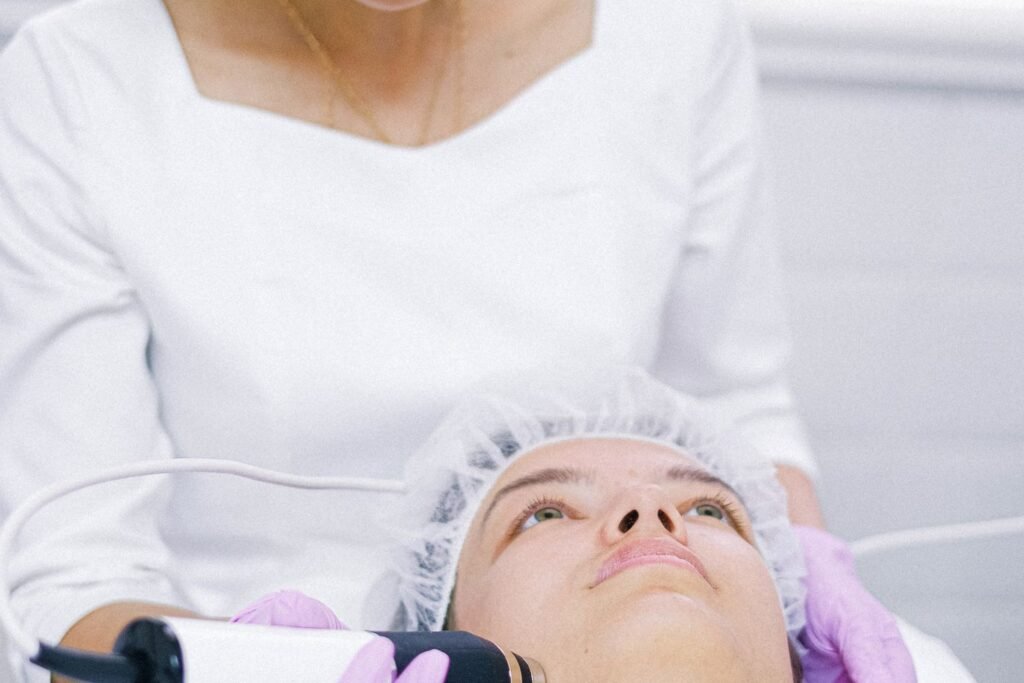
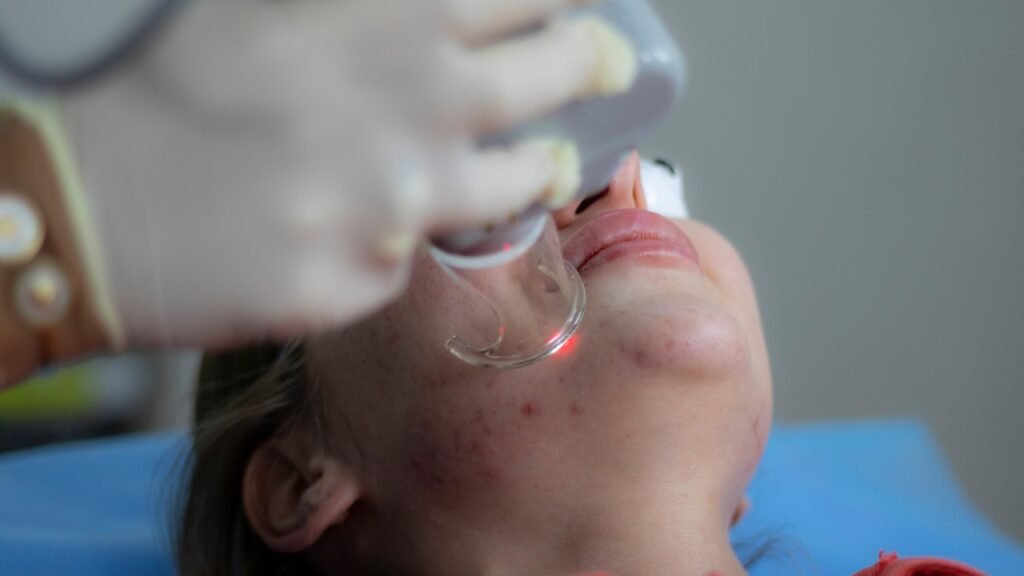
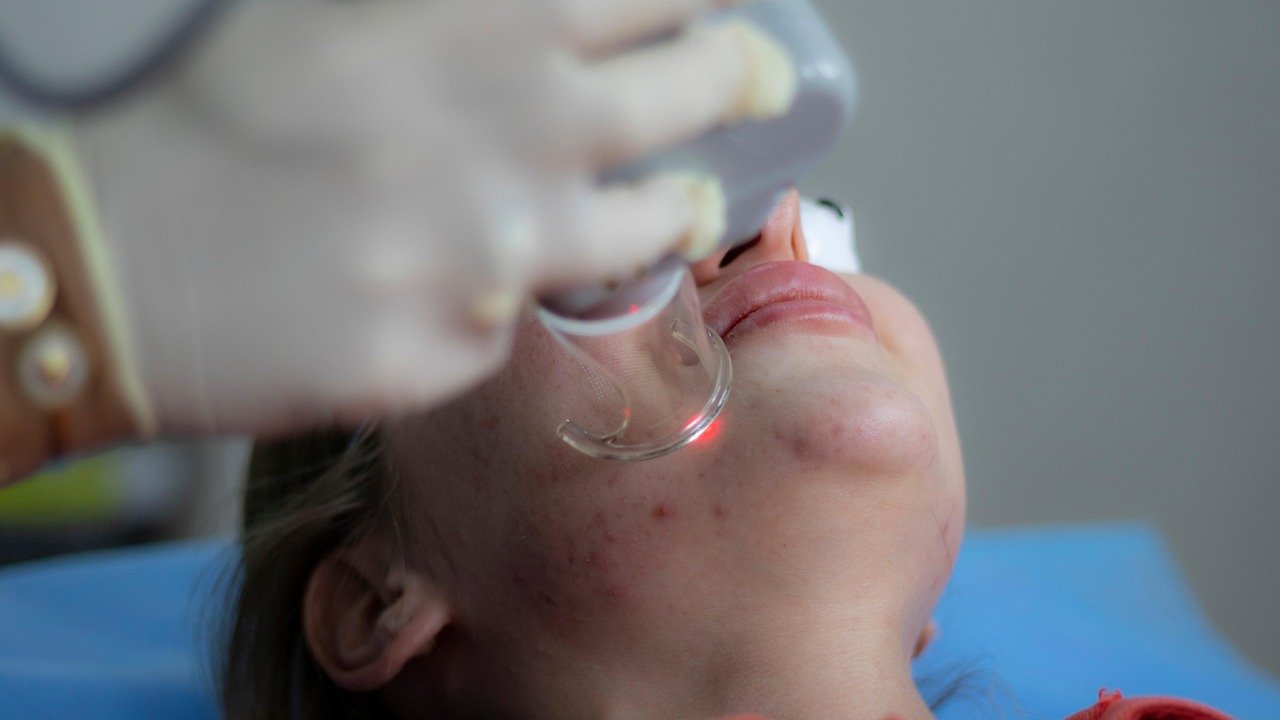
Laser Acne Treatment
Blue light targets acne-causing bacteria directly, while red light helps calm inflammation. Combined laser systems are often used together, typically over 4-8 sessions, with minimal downtime.
Chemical Peels for Acne
Superficial peels (salicylic or glycolic acid) work well for mild acne and require little to no downtime. Medium-depth peels using TCA go deeper and involve several days of visible peeling but can address more stubborn cases.
Manual Extractions and Professional Cleansing
DIY extraction at home carries real scarring risk — pressing on inflamed skin without sterile technique can push infection deeper. Professional extraction, done correctly, is a different story and can be a useful adjunct to other treatments.
Microdermabrasion and Dermaplaning
These mechanical exfoliation techniques smooth texture immediately but work best as a complement to medical treatment rather than a standalone acne solution.
PRP for Post-Acne Inflammation
Platelet-rich plasma can help calm redness and support healing after active breakouts, typically over 3-4 sessions, though evidence for its role in treating active acne itself is more limited than for post-acne skin recovery.
📊 Acne Treatment by Severity
| Severity | Approach | Timeline |
|---|---|---|
| Mild | Over-the-counter skincare | 6–8 weeks |
| Moderate | Topical + oral medication, facials | 3–6 months |
| Severe | Isotretinoin, combination therapy | 6–12 months |
🔗 Combination Therapy: Why Layering Works
Pairing a topical retinoid with an oral antibiotic, or scheduling a laser session between antibiotic courses, often produces better results than any single treatment alone — because each approach targets a different part of the acne formation process. That said, more isn’t always better. Stacking too many active ingredients at once can damage the skin barrier and trigger the sensitivity signs dermatologists are trying to avoid in the first place.
💰 Cost and Timeline Expectations
Skincare
₹200–₹2,000/mo
Medical Rx
₹1,000–₹5,000/mo
Procedures
₹5,000–₹25,000/session
Isotretinoin
₹10,000–₹50,000 total
Costs vary by clinic and individual treatment plan — discuss specifics during consultation.
✅ Key Takeaways
- Mild acne generally responds to consistent over-the-counter skincare within 6-8 weeks.
- Moderate to severe acne typically needs a combination of topical and oral or hormonal treatment.
- Isotretinoin is the most effective option for severe, scarring acne but requires strict medical supervision.
- Professional procedures like laser and chemical peels work best alongside, not instead of, medical treatment.
- Results and timelines vary by individual — a dermatologist consultation clarifies which approach fits your case.
🚩 Is Your Acne Ready for Professional Treatment?
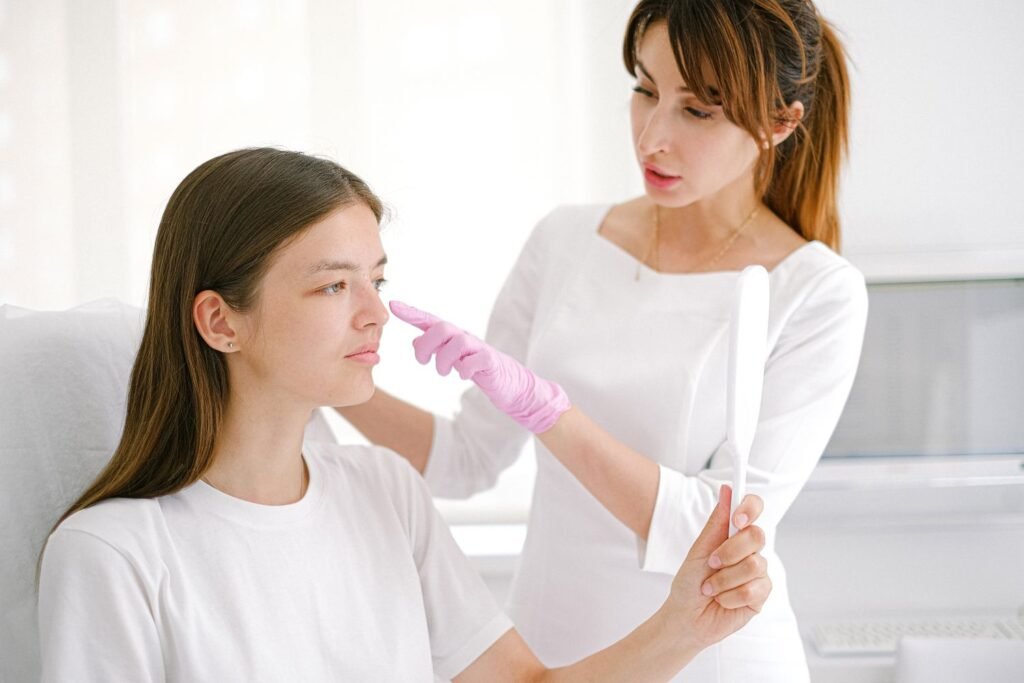
If you’ve tried consistent over-the-counter treatment for 2-3 months without improvement, or if your acne is cystic, painful, or leaving marks, it’s worth discussing professional options with a dermatologist rather than continuing to experiment on your own.
Before you choose a treatment: it helps to understand the trigger. Read our dermatologist guide to what causes acne at every age.
Further reading: treatment guidance from the American Academy of Dermatology and the NIH StatPearls review of acne vulgaris lines up with the acne treatment options set out above.
❓ FAQs
How long before acne treatment shows results?
Mild acne treated with skincare typically improves in 6-8 weeks. Medical treatments generally take 3-4 months for significant results, and isotretinoin courses run several months under supervision.
Will my acne come back if I stop treatment?
It can, particularly with oral antibiotics or hormonal treatment, since these manage rather than cure the underlying triggers. Isotretinoin offers the best chance of long-term remission for severe cases.
Is laser acne treatment effective for all skin types?
Laser treatments are generally safe across skin tones, though the specific device and settings should be chosen carefully for darker skin to avoid pigmentation changes. A dermatologist can advise on the right option for your skin type.
Can I use multiple acne products at once?
Combining actives can help, but layering too many at once often causes irritation rather than faster results. A dermatologist can help build a routine that avoids over-treatment.
What’s the safest acne treatment during pregnancy?
Many common acne treatments, including isotretinoin and certain topical retinoids, are not safe during pregnancy. Always consult a dermatologist before starting or continuing any acne treatment if pregnant or planning pregnancy.
Why does acne get worse before it gets better (purging)?
Some active ingredients, particularly retinoids, speed up cell turnover and can bring existing congestion to the surface faster, temporarily increasing visible breakouts before skin clears.
When should I consider isotretinoin (Accutane)?
Isotretinoin is generally considered for severe, cystic, or scarring acne that hasn’t responded to other treatments. It requires close medical monitoring and is not appropriate for everyone — a dermatologist will assess your suitability.
This article is for educational purposes and does not replace individual medical consultation. Treatment suitability, dosing, and results vary by individual and require dermatologist assessment.
Schedule a consultation with Dr. Aarushi Tyagi for a personalized acne treatment plan based on your skin type and acne severity.