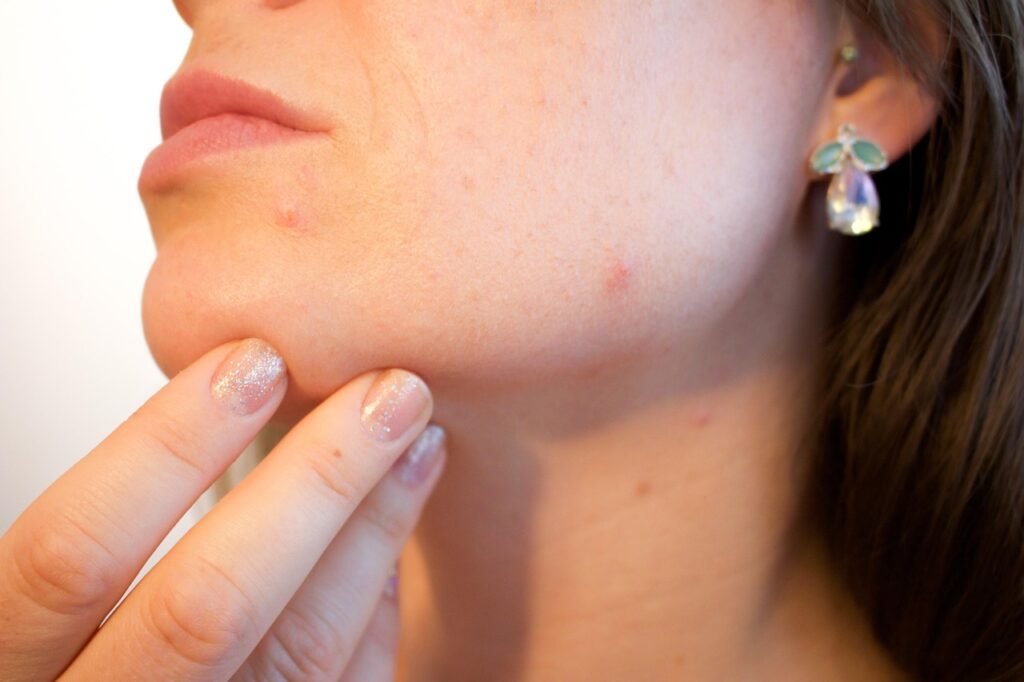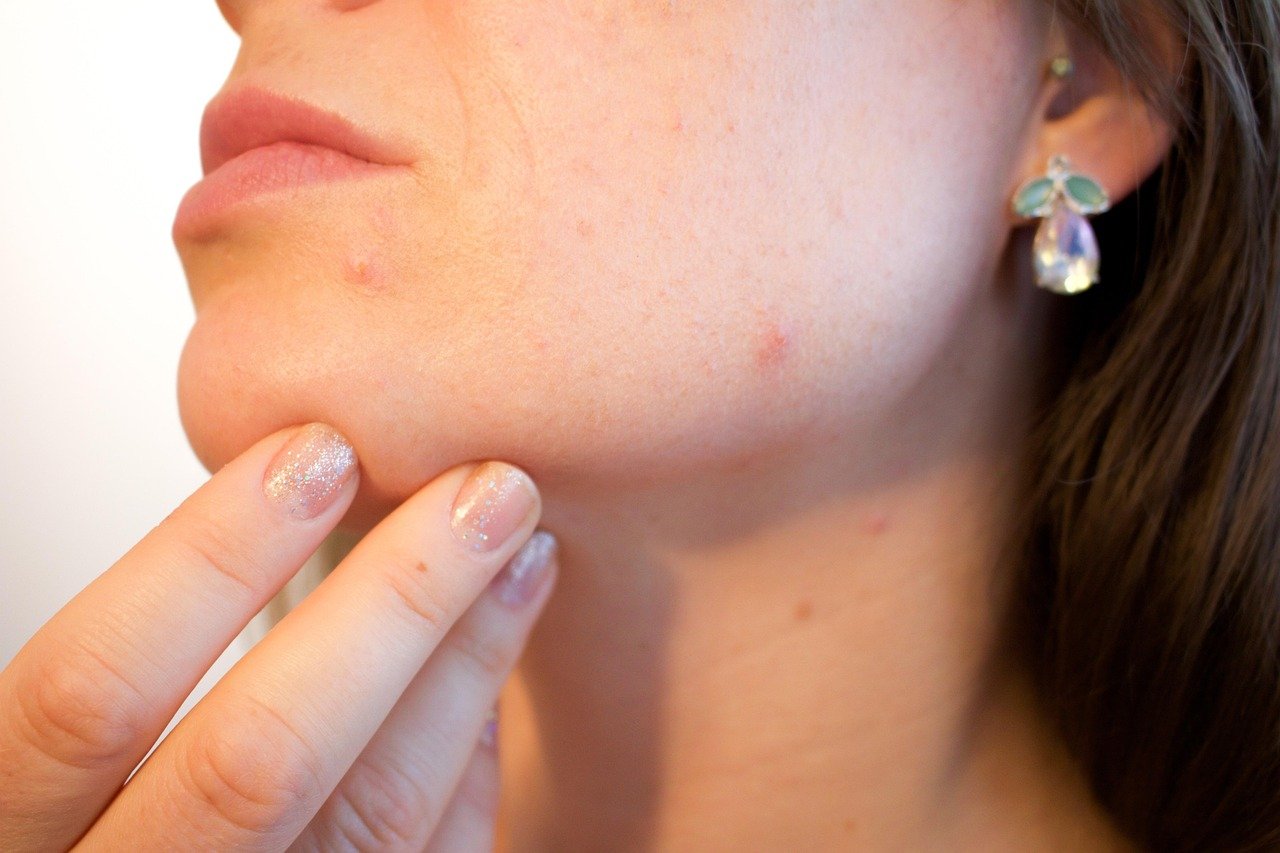
If you’ve ever stared into a mirror wondering why your skin decided to break out now — after years of clear skin, or seemingly out of nowhere — you’re not alone. Acne affects people from their early teens well into their 40s and 50s, and the reasons behind it are more layered than “bad hygiene” or “eating too much chocolate.”
This guide breaks down exactly what causes acne, why it shows up differently depending on your age, and when it’s time to stop guessing and see a dermatologist.
⚡ Quick Answer: The Biology of Breakouts
Acne forms when four factors combine: excess sebum from overactive oil glands, bacterial growth (Cutibacterium acnes), dead skin cells clogging pores, and inflammation. This happens most during puberty due to hormonal changes, but acne can appear at any age due to diet, stress, pollution, or hormonal cycles. A dermatologist can identify your specific trigger.
On this page
- What causes acne: the four pillars
- Acne by age: teenage, adult and hormonal
- Food, stress and lifestyle triggers
- Environmental and occupational acne
- When acne signals deeper issues
- FAQs
🧪 What Causes Acne? The Four Pillars Explained
Acne isn’t caused by one single thing going wrong — it’s the result of several processes happening in your skin at once. Dermatologists generally describe four contributing pillars.
1. Excess Sebum
Androgens spike oil gland activity during puberty, pregnancy, or hormonal shifts.
2. Bacteria
C. acnes thrives in oxygen-poor, clogged pores and forms resistant biofilms.
3. Cell Turnover
Dead cells stick together instead of shedding, forming blackheads and whiteheads.
4. Inflammation
Immune response causes the redness, swelling, and pain of active breakouts.
Excess Sebum Production
Sebaceous glands attached to hair follicles produce sebum, an oily substance that keeps skin lubricated. When androgens (hormones like testosterone) spike — as they do dramatically during puberty — these glands ramp up production.
Adults aren’t exempt either. Hormonal fluctuations tied to the menstrual cycle, pregnancy, or conditions like PCOS can trigger similar surges in adulthood. Genetics also plays a role: if your parents had oily, acne-prone skin, you’re more likely to as well.
Bacterial Colonization (Cutibacterium acnes)
Cutibacterium acnes (formerly known as Propionibacterium acnes) is a bacterium that naturally lives on everyone’s skin. The problem starts when excess sebum creates an oxygen-poor environment inside clogged pores — exactly the conditions this bacteria thrives in.
As it multiplies, it forms a biofilm that’s harder for topical treatments to penetrate, which is one reason why some antibiotic-based acne treatments lose effectiveness over time. Dermatologists often rotate or combine treatments specifically to manage this resistance.
Follicle Cell Turnover Problems
Normally, dead skin cells shed from the surface of hair follicles without issue. In acne-prone skin, this process — called keratinization — goes wrong. Cells stick together instead of shedding, forming a plug within the pore.
This is exactly how blackheads and whiteheads form. When the plug is open to air, oxidation turns it dark (a blackhead). When it’s sealed under skin, it stays white (a whitehead).
Inflammation Response
Once bacteria, trapped sebum, and dead skin cells accumulate, your immune system reacts. White blood cells rush to the area, causing the redness, swelling, and tenderness associated with inflammatory acne.
This is the difference between a simple blackhead and a painful, red, cystic breakout — it’s your body’s inflammatory response working overtime.
🎂 Acne by Age: Teenage, Adult, and Hormonal
Teenage Acne: The Puberty Connection
During puberty, androgen levels surge in both boys and girls, dramatically increasing sebaceous gland activity. This is why the T-zone (forehead, nose, chin) often bears the brunt of teenage breakouts — it has the highest concentration of oil glands.
Adult Acne in Women: The Hormonal Cycle
Many women notice breakouts clustering around their menstrual cycle, typically in the week before their period, when progesterone rises and estrogen drops. Persistent jawline acne alongside irregular periods can be a sign of PCOS and is worth discussing with a dermatologist. Pregnancy and the postpartum period also bring hormonal shifts that can trigger new breakouts.
Adult Acne in Men: Androgens and Lifestyle
Men can experience persistent adult acne tied to ongoing androgen activity, often compounded by occupational factors — heavy sweating, sun exposure, or friction from helmets and equipment.
Menopausal Acne: A Surprising Return
Hormonal shifts during menopause, combined with a naturally weakening skin barrier, can bring acne back for women who haven’t dealt with breakouts since their twenties. This isn’t unusual, and it responds to the same evidence-based approaches used for hormonal acne generally.
🍔 Food, Stress, and Lifestyle Triggers
Diet and Acne: What Research Actually Shows
The connection between diet and acne isn’t a myth, but it’s more nuanced than headlines suggest. High glycemic index foods — white bread, sugary snacks — can spike insulin, which in turn increases androgen activity and sebum production. Some research also points to dairy as a contributing factor for certain people, likely due to hormones present in milk.
Not every food is a culprit, though. Despite popular belief, there’s limited evidence that chocolate itself directly causes acne in most people.
Stress and Breakouts
Cortisol, the body’s primary stress hormone, has a direct effect on sebaceous gland activity. That’s why breakouts often cluster around exam periods, tight work deadlines, or major life stress — it isn’t just in your head.
Sleep Deprivation and Skin Barrier Failure
Poor sleep disrupts the skin’s natural repair cycle and increases baseline inflammation, making existing breakouts worse and slowing recovery.
🏙️ Environmental and Occupational Acne
Pollution and Urban Acne
Fine particulate matter (PM2.5), common in cities like Ghaziabad and Noida, settles into pores and generates oxidative stress on the skin’s surface. This can clog follicles and worsen existing acne, which is why urban dermatology patients often need pollution-specific skincare adjustments alongside standard acne treatment.
Heat, Humidity, and Sweat
Higher heat and humidity increase sebum production and can worsen acne in summer months. Friction from sports equipment, helmets, or tight clothing (sometimes called “mechanica acne”) is a related, often overlooked trigger.
Skincare Mistakes That Trigger Breakouts
Over-washing strips the skin’s natural barrier, which can actually trigger more oil production as skin compensates. Layering too many active ingredients at once (retinoids, acids, benzoyl peroxide together) can irritate and inflame skin rather than clear it. Incomplete makeup removal is another common, avoidable trigger.
🔎 When Acne Signals Deeper Issues
Acne as a Sign of Hormonal Imbalance
Persistent jawline and chin acne in women, especially alongside irregular periods, excess hair growth, or weight changes, can point to PCOS or another androgen-related condition. This warrants proper testing rather than continued over-the-counter experimentation.
Occupational and Drug-Induced Acne
Certain medications — including some steroids and mood stabilizers like lithium — can trigger acne as a side effect. If breakouts start shortly after beginning a new medication, mention this during your dermatology consultation.
✅ Key Takeaways
- Acne results from four combined factors: excess sebum, C. acnes bacteria, clogged follicles, and inflammation.
- Hormonal triggers differ by life stage — puberty, menstrual cycles, pregnancy, and menopause can all cause breakouts.
- Diet, stress, sleep, and pollution are real contributing factors, though not the sole cause for most people.
- Persistent jawline acne with irregular periods may indicate PCOS and should be evaluated by a dermatologist.
- Results and triggers vary by individual — a professional assessment identifies your specific combination of causes.
🚩 When to See a Dermatologist
Consider a consultation if your acne is painful, cystic, leaving scars, unresponsive to over-the-counter treatment after 8–12 weeks, or accompanied by other symptoms like irregular periods or excess hair growth. Early, targeted treatment reduces the risk of permanent scarring.
Next step: Once you know what is causing acne on your skin, compare your options in our guide to acne treatment options, from skincare to professional procedures.
Further reading: the American Academy of Dermatology and the NIH StatPearls review of acne vulgaris both cover what causes acne in more clinical depth.
❓ FAQs
Is acne caused by poor hygiene?
No. Acne is driven by sebum production, bacteria, and inflammation — not dirt. Over-washing can actually worsen breakouts by damaging the skin barrier.
Can certain foods trigger acne?
High glycemic index foods and, for some people, dairy may worsen acne by affecting hormone levels. Individual triggers vary, and a dermatologist can help identify yours.
Does stress really cause breakouts?
Yes. Cortisol released during stress increases sebum production and inflammation, which can trigger or worsen acne.
Why do I get acne around my period?
Hormonal shifts before menstruation, particularly rising progesterone and falling estrogen, increase oil production in many women.
Can pollution in Indian cities make acne worse?
Yes. Fine particulate matter common in cities like Noida and Ghaziabad can clog pores and cause oxidative stress on skin, compounding existing acne.
Is acne genetic?
Family history does influence acne risk, particularly for more severe or persistent forms.
When should I see a dermatologist instead of trying home remedies?
If breakouts are painful, cystic, scarring, or unresponsive to over-the-counter treatment for 2–3 months, professional evaluation is recommended. Results vary by individual, and not every case responds to the same approach.
This article is for educational purposes and does not replace individual medical consultation. Acne severity and appropriate treatment vary by individual; a dermatologist can assess your specific case.
Book a consultation with Dr. Aarushi Tyagi to identify your specific acne triggers and begin a personalized treatment plan.