Glutathione skin brightening has become one of the most searched aesthetic treatments in India, but there is real confusion about whether it works, which form is safest, and how long results actually take. This guide breaks down what glutathione does in the body, what the evidence shows, and how to approach treatment safely under medical supervision.
On this page
- What is glutathione and how does it brighten skin
- Does glutathione for skin brightening actually work
- Oral vs IV vs topical glutathione
- Who is a good candidate
- Safety and what to expect
- FAQs
What is glutathione and how does it brighten skin
Understanding glutathione skin brightening starts with how this antioxidant interacts with melanin production in the skin.
Glutathione is a naturally occurring antioxidant made from three amino acids, produced by nearly every cell in the body. Beyond its role in detoxification and immune support, glutathione is believed to brighten skin by shifting melanin production away from eumelanin (the darker pigment) toward pheomelanin (a lighter pigment), and by inhibiting the enzyme tyrosinase, which is central to melanin synthesis. This is the biological basis for its use in cosmetic skin brightening.
Does glutathione for skin brightening actually work
Glutathione skin brightening does have supporting clinical evidence, though results are gradual rather than dramatic. Multiple small clinical trials have shown measurable improvements in skin tone and pigmentation with both oral and intravenous glutathione over 8 to 12 week courses. It is important to set realistic expectations: glutathione tends to even out tone and add a healthy glow rather than change someone’s fundamental skin color by several shades, and results are not permanent without maintenance.
Oral vs IV vs topical glutathione: which form works best
- IV (intravenous) glutathione: Delivered directly into the bloodstream, bypassing digestion. Often shows the fastest, most visible results, but requires clinical administration and carries more risk if not supervised properly.
- Oral glutathione: Taken as capsules or tablets. Convenient and lower-risk, but absorption is less efficient, so results tend to build more slowly over 2 to 3 months.
- Topical glutathione: Applied as creams or serums. Generally the mildest option with the slowest, most subtle results, often used to maintain results from IV or oral courses rather than as a standalone treatment.
Many dermatology-led protocols combine forms — for example, an initial IV course followed by oral maintenance — to balance speed of results with long-term safety.
Who is a good candidate for glutathione treatment
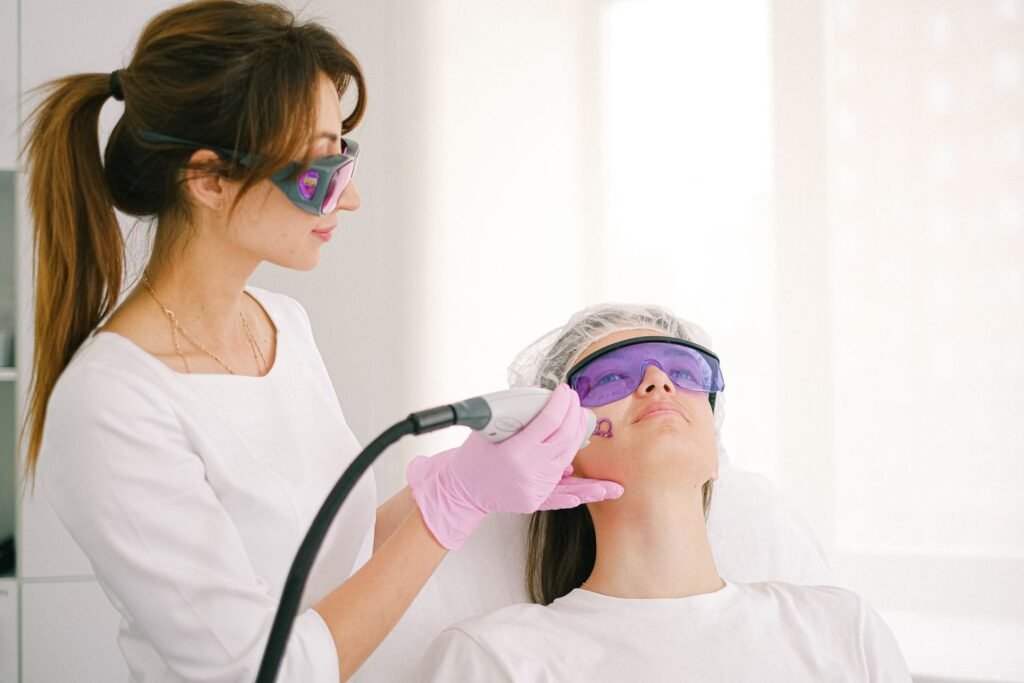
People researching glutathione skin brightening often also explore complementary options like laser hair reduction as part of a broader aesthetic care routine.
Good candidates are generally healthy adults looking for gradual, even-toned skin brightening rather than a fast, dramatic transformation. People with liver or kidney conditions, pregnant or breastfeeding women, and those on certain medications should avoid glutathione treatment or only pursue it under close medical supervision. A proper consultation and health history review should always precede treatment, particularly for IV glutathione.
Safety and what to expect during treatment
When administered by a licensed dermatologist or clinic, glutathione treatment is generally well tolerated. Mild side effects can include nausea, bloating, or a slight rash, and IV administration carries a small risk of injection site reactions. The biggest safety concern is unsupervised, high-dose IV glutathione from unlicensed providers, which has been linked to kidney strain and severe skin reactions in some reported cases — this is why treatment should only be done through a qualified medical provider.
A systematic review published via NIH/NCBI found that while glutathione shows a skin-lightening effect across several small trials, larger, more standardized studies are still needed, and supervised use remains important for safety.
If you’re also exploring medifacial options to complement your skin brightening routine, our team can build a combined treatment plan during your consultation.
FAQs
Does glutathione actually lighten skin?
Glutathione can reduce melanin production and lead to a brighter, more even skin tone in many people, particularly with consistent use over 2 to 3 months. Results vary by dose, formulation, and individual skin biology, and it works best for even-toning rather than dramatic shade changes.
Which form of glutathione works best for skin brightening: oral, IV, or topical?
IV glutathione tends to show faster, more noticeable results because it bypasses digestion, but oral and topical forms can still produce gradual brightening with consistent use. A dermatologist can recommend the safest, most effective form based on your skin goals and health history.
Is glutathione for skin brightening safe?
When administered under medical supervision at appropriate doses, glutathione is generally considered safe for most healthy adults. Unsupervised high-dose IV use, especially from unlicensed providers, carries risks including kidney strain and skin reactions, which is why treatment should always be done through a qualified clinic.
How long does it take to see results from glutathione treatment?
Most patients begin noticing subtle brightening within 4 to 8 weeks of consistent treatment, with more visible results typically appearing after 3 months. Maintenance sessions or ongoing oral supplementation are often needed to sustain results.
Can glutathione be combined with other skin brightening treatments?
Yes. Glutathione is often combined with treatments like chemical peels, Vitamin C, or laser therapies for enhanced brightening. Combining treatments should always be planned with a dermatologist to avoid overtreating the skin.
Curious whether glutathione is right for your skin? Book a consultation with Reviva Skin & Hair Clinic in Noida or Ghaziabad for a safe, dermatologist-guided brightening plan.