

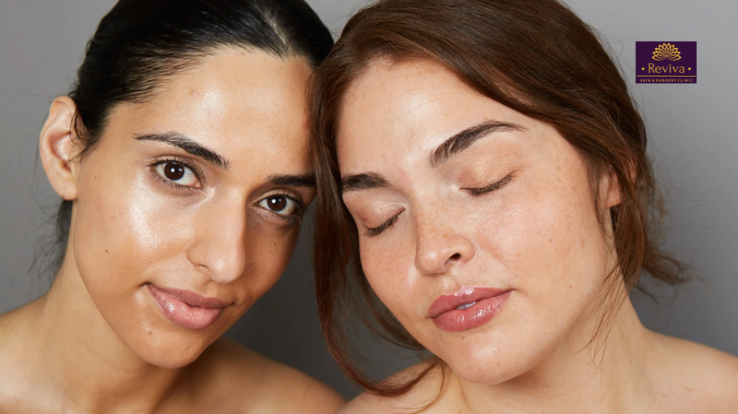
Fine lines and deep wrinkles are both common signs of skin ageing, but they may need different treatment approaches. Fine lines may become less noticeable with moisturising skincare, sun protection and dermatologist-recommended retinoids. Deeper expression lines may respond better to treatments such as Botox, while volume loss or skin laxity may require fillers or selected skin-tightening procedures. The right treatment for fine lines and wrinkles depends on their cause, depth, skin condition and your goals.
What Is the Difference Between Fine Lines and Deep Wrinkles?
Fine lines are shallow creases that may appear around the eyes, mouth and forehead. They can become more noticeable when skin is dry or exposed to sunlight over time. Deep wrinkles are more pronounced lines or folds that may remain visible even when the face is at rest.
| Feature | Fine lines | Deep wrinkles |
|---|---|---|
| Appearance | Shallow, delicate creases | More noticeable lines or folds |
| Common causes | Dryness, sun exposure, early collagen changes | Repeated muscle movement, long-term sun damage, collagen loss and volume changes |
| Initial approach | Moisturiser, sunscreen and suitable skincare | Treatment based on the cause and severity |
| Possible clinical options | Retinoids, selected peels or laser treatments | Botox for selected expression lines, fillers for volume loss, or other procedures |
| Expected improvement | Often subtle and gradual | Varies; deeper wrinkles may need more than one approach |
These categories can overlap. A person may have fine lines around the eyes, deep forehead lines and loose skin around the jaw at the same time. A dermatologist can assess each concern separately.
What Causes Fine Lines and Deep Wrinkles?
Skin ageing is influenced by natural changes, environmental exposure and everyday habits.
1. Sun Exposure
Ultraviolet (UV) radiation contributes to premature skin ageing. Over time, unprotected exposure can affect collagen and elastin, contributing to wrinkles, uneven pigmentation and changes in skin texture.
Daily broad-spectrum sunscreen with SPF 30 or higher, along with shade and protective clothing, helps reduce further sun damage.
2. Repeated Facial Expressions
Smiling, squinting and frowning involve facial muscles. Repeated movements can contribute to expression lines, particularly around the eyes and between the eyebrows.
These lines may initially appear mainly during facial movements but can become more visible at rest over time.
3. Loss of Collagen and Skin Elasticity
Collagen and elastin help provide structural support and flexibility. As the skin changes with age, it may become less firm and wrinkles can become more prominent.
4. Dryness and Skin Barrier Changes
Dehydrated skin can make fine lines look more noticeable. A suitable moisturiser helps the skin retain water, temporarily softening the appearance of some shallow lines. However, moisturiser alone cannot remove deep wrinkles or significantly lift loose skin.
5. Changes in Facial Volume
Age-related changes in facial fat and underlying structures can create hollows, folds and changes in facial contours. In these cases, a treatment aimed only at the skin surface may not address the main concern.
Which Treatment Is Suitable for Fine Lines?
Fine lines do not always require an injectable treatment or a cosmetic procedure. The first step is often to establish a consistent skincare routine and identify whether sun damage, dryness or another skin condition is contributing.
1. Moisturiser and Sunscreen
A suitable moisturiser can make shallow lines less noticeable by improving skin hydration. Daily broad-spectrum sunscreen helps protect against UV damage that contributes to premature ageing.
These are useful foundations for most anti-ageing routines, although they will not eliminate established deep wrinkles.
2. Retinol and Other Retinoids
Retinol and prescription retinoids can help improve selected concerns, including mild fine lines, uneven texture and sun-damaged skin. They work gradually and may cause dryness, irritation or peeling, particularly when introduced too quickly.
A dermatologist can advise whether a retinoid is suitable for your skin. Do not use retinoids during pregnancy; seek medical advice if pregnant, planning pregnancy or breastfeeding.
3. Chemical Peels and Laser Treatments
Depending on the skin concern, a dermatologist may consider a chemical peel or laser treatment to improve surface texture, selected fine lines or signs of sun damage.
The procedure, strength and recovery period vary. Possible risks include irritation, burns, infection, scarring and changes in pigmentation. Treatment should be selected according to skin type, medical history and the amount of downtime you can accommodate.
How Are Deep Wrinkles Treated?
Deep wrinkles require a more targeted assessment. The most appropriate treatment depends on whether the lines are mainly caused by muscle movement, loss of volume, sun damage or loose skin.
Botox for Expression Lines
Botulinum toxin injections, commonly known by brand names such as Botox, temporarily relax selected facial muscles. They can reduce the appearance of certain forehead lines, frown lines and crow’s feet.
Results are not immediate and commonly become noticeable within several days. The effect is temporary, often lasting around three to four months, although duration varies.
Possible side effects include bruising, swelling, headache or temporary drooping of a nearby eyelid or brow. Treatment should be performed by an appropriately qualified medical professional who understands facial anatomy and injection safety.
Dermal Fillers for Volume Loss
Dermal fillers may be considered when wrinkles or folds are associated with loss of facial fullness. Depending on the product and treatment area, fillers can restore selected contours or soften certain folds.
Fillers do not work like Botox: they add volume rather than relax facial muscles. They also cannot remove substantial excess skin.
Common temporary effects include swelling, tenderness and bruising. Rare but serious complications can occur, including blocked blood vessels and tissue damage. Choose a qualified medical professional and discuss the specific product, risks and alternatives before treatment.
Skin-Tightening Treatments for Mild Laxity
If the main concern is mild skin looseness rather than an expression line, a dermatologist may discuss selected non-surgical treatments using ultrasound or radiofrequency (RF).
These treatments deliver energy to targeted tissues and may encourage collagen remodelling. Improvement is generally gradual and may be modest. They cannot reliably reproduce the results of a surgical facelift or remove substantial excess skin.
HIFU vs RF: What Is the Difference?
HIFU and RF may both be used for selected skin-tightening concerns, but they use different types of energy.
HIFU (high-intensity focused ultrasound) delivers focused ultrasound energy to targeted tissue layers. It may be considered for some people with mild skin laxity who want gradual improvement.
Radiofrequency (RF) uses electrical energy to heat selected tissues. Different RF devices work at different depths, and some treatments are non-invasive while others use needles.
Neither option is automatically the best choice for wrinkles. HIFU or RF may be more relevant to mild laxity than to deep expression lines caused by muscle movement. Botox may be more appropriate for certain dynamic wrinkles, while fillers may be considered for volume loss.
Treatment risks depend on the device and technique. Pain, swelling, redness, burns, pigment changes and other complications can occur. RF microneedling has additional risks and should not be treated as interchangeable with non-invasive RF.
For an overview of non-surgical skin tightening, see the American Academy of Dermatology’s guidance on firming sagging skin.
What Results, Sessions and Downtime Should You Expect?
Results depend on the treatment, the depth of the wrinkles, your skin condition and the clinician’s technique.
- Skincare: Moisturiser may temporarily soften the appearance of fine lines. Retinoids usually require consistent use over weeks or months, and irritation is possible.
- Botox: Results typically develop over several days and are temporary. Repeat treatment may be needed to maintain the effect.
- Fillers: Some results may be visible soon after treatment, but swelling can affect the initial appearance. Duration varies by product and area.
- HIFU or RF: Improvement, when it occurs, is generally gradual. Some people may need more than one session, depending on the device and treatment plan.
- Peels or laser procedures: Recovery can range from minimal to several days or longer, depending on the procedure and its intensity.
Follow the aftercare instructions provided by your clinician. Avoid scheduling a first-time intensive procedure immediately before an important event, and ask what symptoms should prompt medical attention.
What Affects the Cost of Wrinkle Treatment?
There is no single price for treating fine lines or deep wrinkles. Cost depends on factors such as:
- The cause and severity of the concern.
- The treatment selected and the area being treated.
- The type of device or injectable product used.
- The number of sessions recommended.
- Follow-up visits and maintenance treatment.
- Any additional skincare or treatment required.
Request a personalised estimate after your consultation. Ask what is included, how many sessions may be required and what results are realistic. The lowest price is not necessarily the safest choice; practitioner qualifications, product quality, equipment and complication management matter.
Where Can You Consult in Noida or Ghaziabad?
If you are looking for treatment for fine lines and wrinkles, a consultation can help identify the cause of your concerns and establish whether skincare, injections or a skin-tightening procedure is appropriate.
Noida Clinic — Sector 76
Phone: +91 8595856844
Ghaziabad Clinic — Raj Nagar Extension
Phone: +91 7827448711
For appointment requests and current timings, visit the official clinic contact page. Please confirm availability before visiting.
Frequently Asked Questions
1. Which treatment suits fine lines and mild skin laxity?
Fine lines may improve with moisturiser, sunscreen and dermatologist-recommended retinoids. For mild skin laxity, HIFU or RF may be considered after assessment. The right option depends on the cause of the lines and the condition of your skin.
2. How do HIFU and RF differ?
HIFU uses focused ultrasound energy, while RF uses radiofrequency energy to heat targeted tissues. Both may support gradual improvement in selected cases of skin laxity, but their devices, treatment depths and risks differ.
3. Can deep wrinkles be removed completely?
No treatment can guarantee complete removal of every deep wrinkle. Botox may soften selected expression lines, fillers may improve some folds caused by volume loss, and other procedures may improve selected signs of sun damage or laxity. Results vary.
4. What results and downtime are realistic?
Skincare changes are gradual, Botox results are temporary, fillers may cause swelling or bruising, and energy-based treatments may take weeks or months to show improvement. Downtime depends on the procedure and individual response.
5. Where can I consult in Noida or Ghaziabad?
You can contact Reviva Skin & Surgery Clinic in Sector 76, Noida, at +91 8595856844, or the Raj Nagar Extension, Ghaziabad clinic at +91 7827448711. Confirm appointment timings directly with the clinic.
Final Thoughts
Fine lines and deep wrinkles may look similar at first, but they can have different causes and respond to different treatments. A consistent skincare routine and sun protection are important foundations, while Botox, fillers, HIFU, RF or resurfacing procedures may be considered for specific concerns.
Before choosing a treatment, consult a qualified dermatologist who can assess your skin, explain the likely benefits and limitations, discuss side effects and recovery, and help you choose an option that matches your needs.